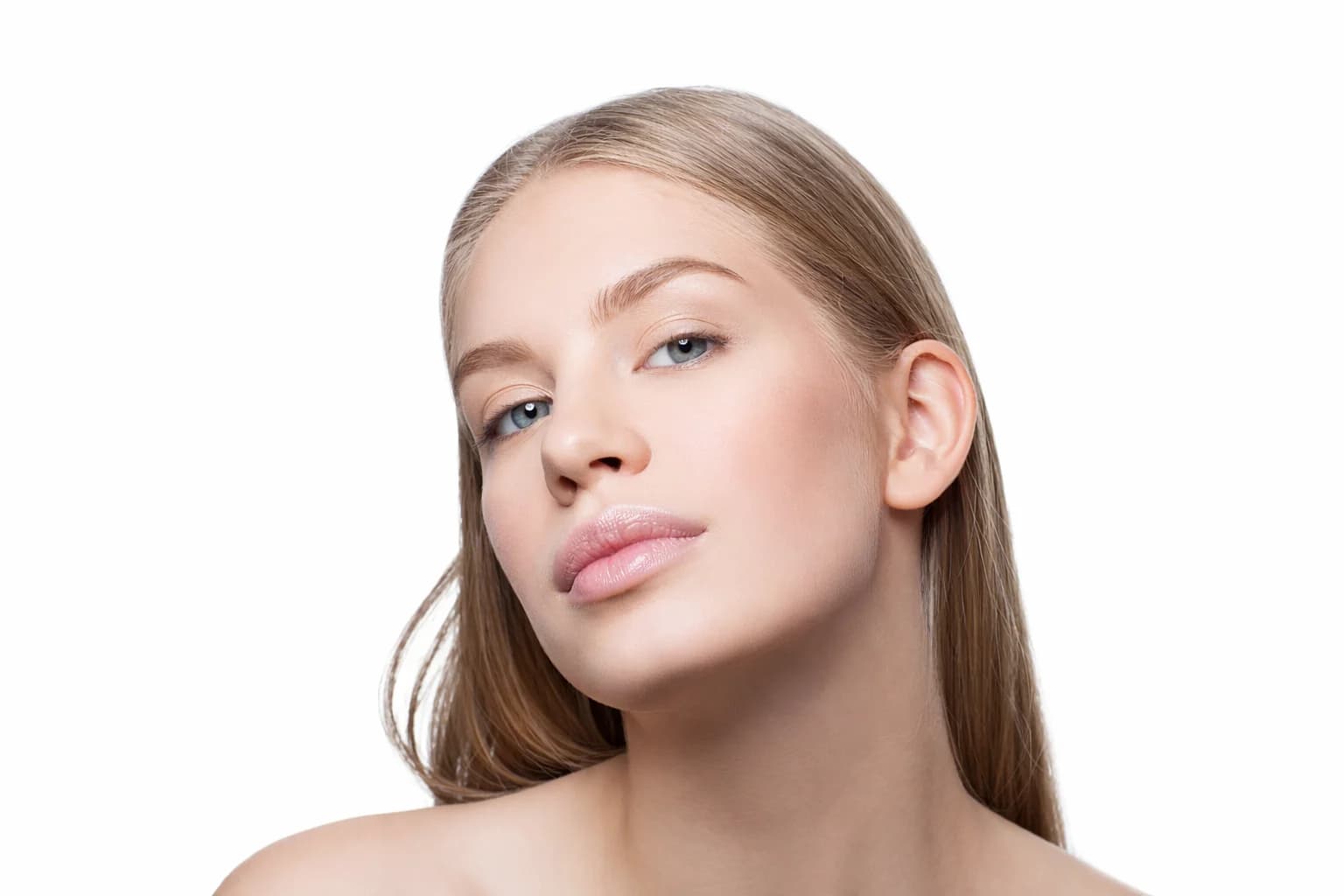
Permanent Eyebrow Makeup for Oncology Patients - When to Consider It
My name is Kasia - I am a permanent makeup artist and a registered nurse. For many years, I have been professionally involved in oncology. In my nursing work, I see not only the medical side of oncological therapies, but also how treatment affects the psyche, sense of femininity, and perception of one's own body during the fight against the disease.
For many women, one of the most stressful effects of cancer treatment is the loss of hair, eyebrows, and eyelashes, which often appears after the first cycles of chemotherapy. This visible side effect has a very strong impact on the sense of identity, self-esteem, and psychological comfort of women.
This is completely understandable. I want this article to be a practical guide on whether it is worth considering permanent makeup in the context of oncological treatment, why the best time is before starting therapy, why the procedure is contraindicated during chemotherapy, and how to plan it appropriately.
How often does hair loss occur during cancer treatment?
Hair loss, known as chemotherapy-induced alopecia, is one of the most common and distressing side effects of chemotherapy - especially in patients with breast cancer and other malignancies that require aggressive cytotoxic treatment. In clinical studies, the frequency of this effect is estimated at about 65% of all patients undergoing chemotherapy.
In many patients, hair begins to fall out approximately 2-3 weeks after the first chemotherapy administration. This is one of the most shocking moments for many women - not only because their appearance changes significantly, but because hair is a strong symbol of femininity and sense of identity.
Clinical studies also indicate that hair loss is one of the most traumatic side effects of chemotherapy - as many as 47% of patients consider it the most stressful aspect of treatment, and in about 8% of patients, the fear of hair loss is so strong that it may affect their consent to undergo treatment.
This shows how important appearance is for the quality of life of women during the fight against the disease.
Why does planning permanent makeup before chemotherapy make sense?
Permanent makeup, even in such a delicate form as the machine hair stroke method, involves micro-punctures of the skin. This means that the skin must have time to completely heal and stabilize the pigment before the body is weakened by the action of cytostatic drugs.
Chemotherapy, although effective in fighting cancer cells, significantly weakens the immune system, which reduces the skin's ability to regenerate and increases the risk of infections and healing disorders. Therefore, most specialists agree that the period of chemotherapy is a contraindication to performing PMU - due to safety and risk of complications.
Eyebrows are an integral part of our face, and thus our identity. They give us our characteristic features and serve to express emotions. Facing their loss is an experience that often causes strong stress and a feeling of loss of control.
It is completely natural that at the moment of cancer diagnosis, the last thing a woman thinks about is appearance. Fear, chaos, panic, anxiety, focus on treatment and organizing the most important matters appear. Appearance takes a back seat and this is fully understandable.
Fortunately, more and more oncologists are also paying attention to this aspect, encouraging their patients to properly prepare for this inevitable process and take certain actions to minimize the trauma associated with a significant change in their appearance and perception of themselves.
Considering permanent makeup as part of preparing for the treatment process and its consequences early enough can help regain a sense of control and maintain self-worth.
Most importantly, permanent makeup during treatment will not be possible due to the increased risk of complications.
By planning the procedure before starting chemotherapy, we also gain the comfort of working within the natural eyebrows, thanks to which we can recreate their appearance, shape, and width in such a way that after the hairs fall out, the woman still feels like herself. This approach is much more precise than attempting eyebrow reconstruction after they have fallen out, when the baseline and natural structure may be illegible.
What does "securing" eyebrows with permanent makeup give the patient?
The process of eyebrow loss becomes much emotionally easier. The woman sees that natural hairs are falling out, but their place does not remain empty - a delicate, previously performed imitation of hairs is still visible, exactly where the eyebrows were before.
The woman does not look in the mirror and suddenly see a "bare" face. She doesn't have to paint her eyebrows every day to feel okay with her appearance. She also doesn't have to explain to her children why mom suddenly looks different. Her face is still familiar - to herself and to her loved ones.
This is a small element of appearance, which in reality gives a huge sense of continuity, normality, and maintaining part of oneself during this incredibly difficult time for the whole family.
What about patients who have already started chemotherapy and/or immunotherapy?
If a patient has already started oncological treatment, such as chemotherapy and/or immunotherapy, performing permanent eyebrow makeup during it is contraindicated. The reason is the medical specificity of these therapies. Chemotherapy works by suppressing the activity of rapidly dividing cells, which also includes skin cells and their ability to regenerate. As a result, the skin becomes less resistant to micro-punctures, healing is slowed down, and the risk of infections, inflammation, and abnormal pigment retention is much higher.
Similarly, in the case of immunotherapy - although the scale of hair loss may be smaller, therapies that inhibit or modify the immune response still affect the skin's ability to regenerate and control inflammation, which also increases the risk of complications during invasive procedures.
For this reason, specialists recommend not performing permanent makeup during chemotherapy and immunotherapy.
After completing treatment, wait at least 6-12 months before undergoing the procedure.
This period gives the body time for full regeneration of the immune system, return of proper inflammatory response and skin healing, and stabilization of the texture, thickness, and microbiome of facial skin.
Clinical studies and dermatological practice show that the skin gradually returns to its pre-intensive therapy state during this time, which significantly reduces the risk of complications and allows achieving an aesthetic, even, and lasting pigmentation effect. Earlier performance of the procedure during a period of weakened immunity may result in healing disorders, discoloration, unstable pigment retention, or infections.
Therefore, planning permanent makeup after full recovery of the skin and immune system increases the safety of the procedure and the chances of an aesthetic effect consistent with the patient's expectations.
Choice of eyebrow pigmentation technique for oncology patients
In the case of oncology patients, the selection of an appropriate pigmentation technique is particularly important. Microblading is not recommended because it is a method of mechanically cutting the skin with a blade and although the visual effect is quite natural, the technique itself is more invasive, causes greater tissue trauma, longer healing process, and greater risk of scarring and inflammation, so this method is not the best choice.
A safer option is the machine hair stroke technique, which allows for delicate work, definitely shallower and more controlled, without cutting the skin, which means less burden on tissues and more predictable healing.
The choice of pigmentation technique also has great visual significance, especially for oncology patients. After the loss of natural eyebrows, powder techniques can give the effect of a flat color spot that does not reflect the structure of hairs. On the other hand, the hair stroke method creates a delicate imitation of individual hairs, which gives the impression of lightness, three-dimensionality, and natural eyebrow structure even when natural hairs have completely fallen out. The face does not look "drawn," but maintains the softness and naturalness of features.
Therefore, in the context of oncology patients, the hair stroke technique is a solution that combines skin safety with the most natural visual effect.
Summary - if you're considering PMU...
...before starting chemotherapy - the best time to perform the procedure, when the body is not yet weakened by the action of anticancer drugs.
...during chemotherapy/immunotherapy - contraindicated due to the risk of healing disorders and possible complications.
...after treatment - permanent makeup can be performed, but it is recommended to wait about 6-12 months after completing treatment.
This article is for informational purposes only. Each case of oncological treatment is individual, so the decision to perform permanent makeup should always be consulted with the attending physician.